This policy brief highlights the interconnectedness of climate change and global health, emphasizing the urgent need for increased attention, investment, and action at the climate-health nexus. The brief calls for a more systematic approach to addressing the climate-health crisis, including the role of the Joint United Nations Programme on HIV/AIDS (UNAIDS) in supporting countries and communities. It provides an overview of how climate change affects HIV and offers policy directions for governments and specific roles for UNAIDS to enhance the effectiveness of climate and health initiatives.
Continue reading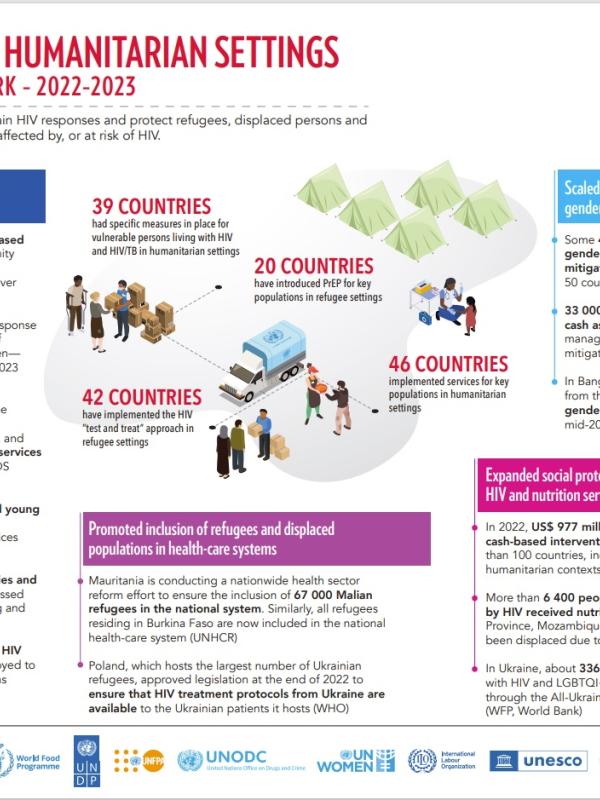
Infographic presenting some 2022-2023 results from the UNAIDS Joint Programme work on HIV in humanitarian settings.
Continue reading
Teams from Médecins Sans Frontières (MSF) around the world have seen worrying signs of a reversal in progress against all three diseases, compounded by the COVID-19 pandemic and economic difficulties.This briefing paper presents examples from seven countries: Central African Republic, Democratic Republic of Congo, Guinea, Mozambique, Myanmar, South Sudan and Uganda illustrating the consequences of the funding shortfall for MSF's patients. The briefing paper aims at encouraging donor countries to demonstrate their commitment with increased pledges at the upcoming Global Fund to Fight AIDS, Tuberculosis and Malaria (Global Fund) replenishment round.
Continue reading
This guide is intended for use by qualified health-care providers (medical doctors, clinical officers, midwives and nurses) who are working in humanitarian emergencies or other similar settings, and who wish to develop specific protocols for the medical care of survivors of sexual violence and Intimate Partner Violence. It contains a specific annex on Protocols for post-exposure prophylaxis of HIV infection.
Continue reading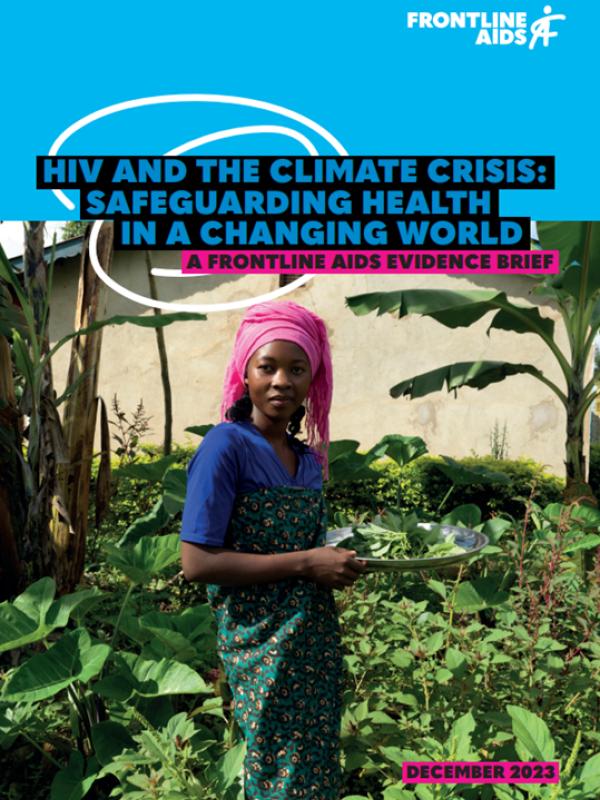
This Frontline AIDS evidence brief sets out, for the first time, a clear framework demonstrating the effects of the climate crisis on HIV. Alongside the framework, there are case studies from community-based partners: Alive Medical Services, Zvandiri, and MENAHRA.
Continue reading
This 2023 NGO Report builds on the 2018 NGO Report titled People on the move. It is intended to be a user-friendly document which, among other things, expands our understanding of humanitarian emergencies and contributes to the development of a minimum package of services for people living with HIV during humanitarian emergencies.
Continue reading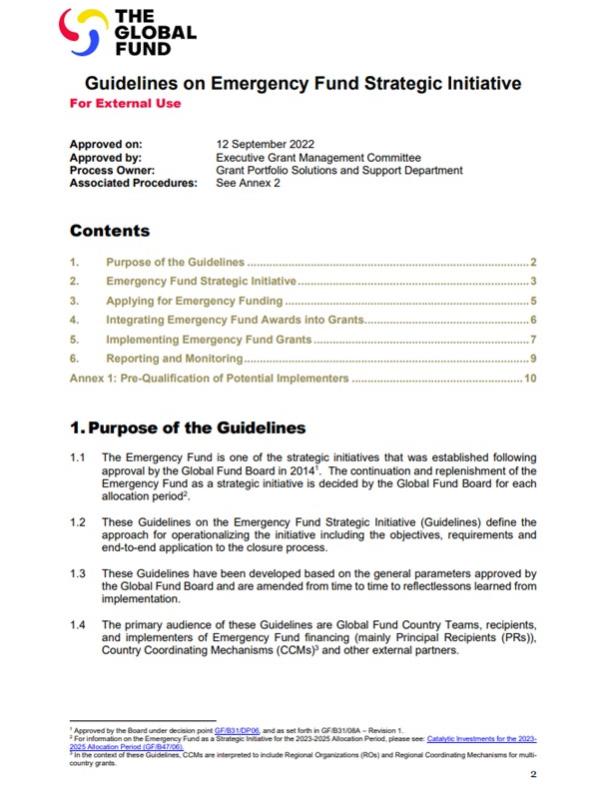
The Global Fund continues supporting eligible applicants sustain the provision and continuity of essential prevention, testing and treatment services for HIV, tuberculosis and malaria during emergency situations. The guidelines aim to support countries when reinvestment of existing Grant Funds is not possible or requires extended processing time
Continue reading
The Challenging Operating Environments (COEs) Policy aims to systematize the Global Fund’s approach in COEs and to provide overall guidance on future Global Fund engagement in these contexts. It codifies the Global Fund commitment to “improve effectiveness in COEs through innovation, increased flexibility and partnership. The Policy is guided by analytical work conducted by several consultations with external partners and also draws heavily on the experience and expertise of Global Fund country teams.
Continue reading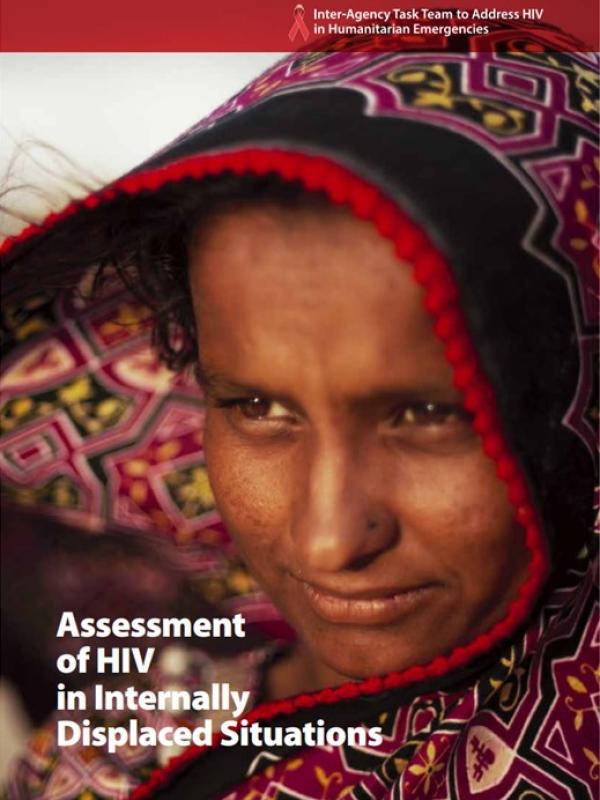
Standardized guidance to conduct inter-agency assessments on HIV-related needs of IDPs. Fosters agreement on common objectives for HIV intervention programmes as well as operational synergy. It is appropriate to use this tool with IDP (and host) populations affected by conflict or by natural disasters. The guidance includes tools for carrying out HIV related needs assessments in displaced situations. The primary intended users of this rapid HIV situation assessment tool are programme planners and implementers, primarily at central and sub-national levels.Governments, UN agencies and NGOs are all likely users of this tool.
Continue reading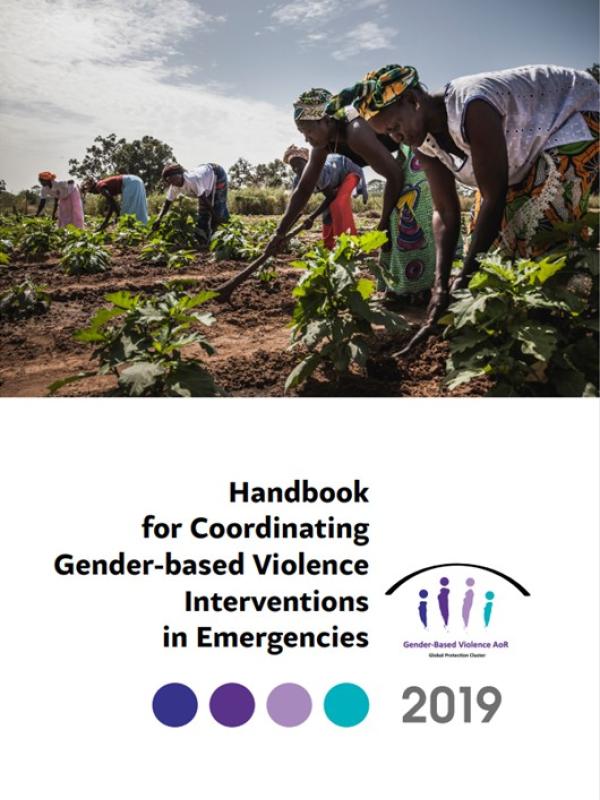
This Handbook guides gender-based violence (GBV) coordinators and the wider humanitarian community in taking concrete action from preparedness through recovery. It emphasizes collaborative efforts across sectors and organizations for unified prevention, response, and risk mitigation strategies to effectively address gender-based violence. It considers HIV as a cross-cutting issue.
Continue reading