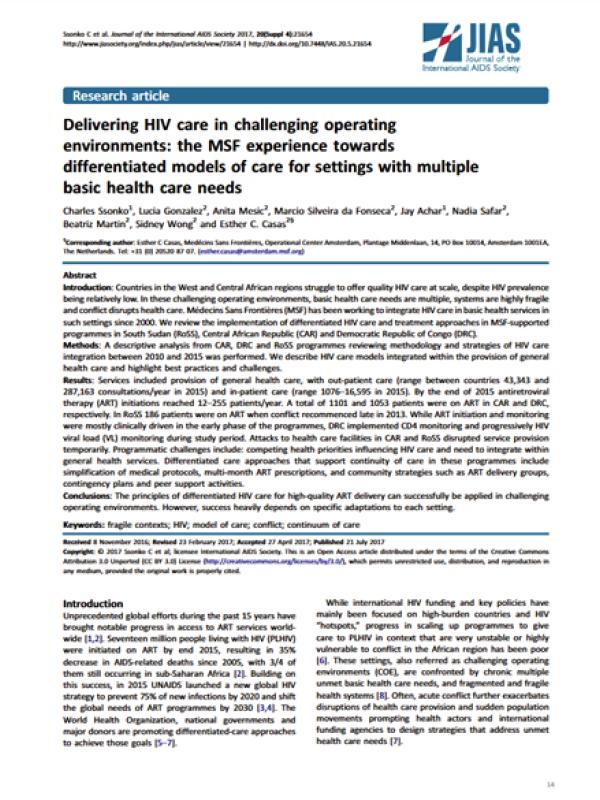
Results from a descriptive analysis from CAR, DRC and South Sudan MSF's HIV care models integrated within the provision of general health care and highlighting best practices and challenges.
Continue reading
The Challenging Operating Environments (COEs) Policy aims to systematize the Global Fund’s approach in COEs and to provide overall guidance on future Global Fund engagement in these contexts. It codifies the Global Fund commitment to “improve effectiveness in COEs through innovation, increased flexibility and partnership. The Policy is guided by analytical work conducted by several consultations with external partners and also draws heavily on the experience and expertise of Global Fund country teams.
Continue reading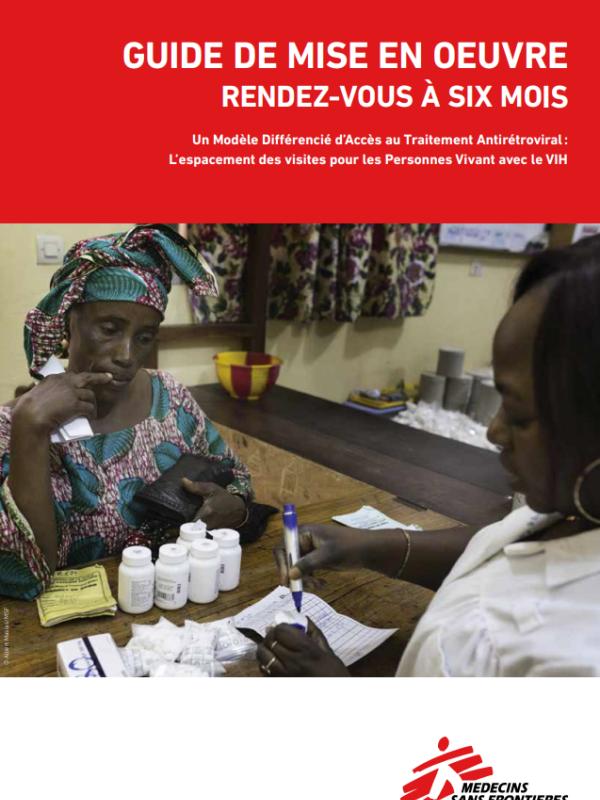
Guide de Mise en oeuvre rendez-vous à six mois - Un Modèle différencié d’Accès au Traitement Antirétroviral avec espacement des visites pour les personnes vivant avec le VIH.
Continue reading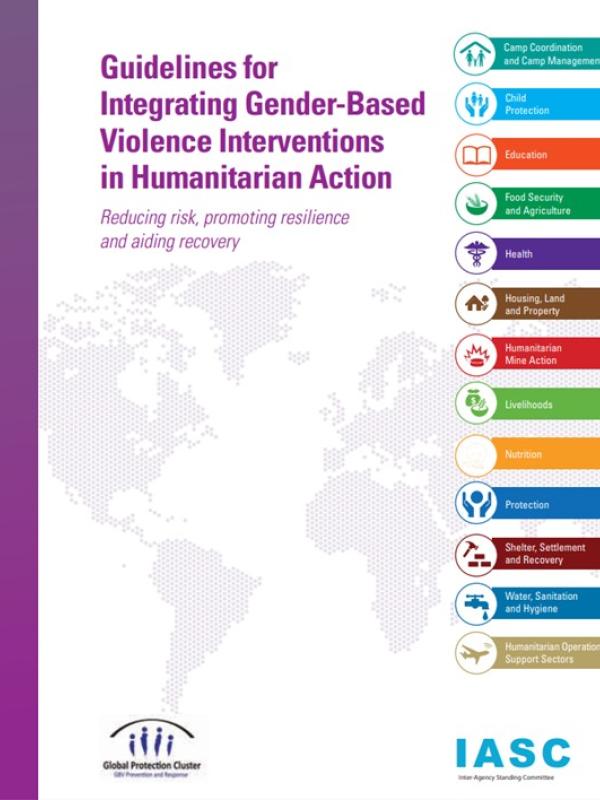
This handbook is a quick-reference tool that provides practical, field-level guidance to establish and maintain a gender-based violence (GBV) sub-cluster in a humanitarian emergency. It aims to assist humanitarian actors and communities affected by armed conflict, natural disasters and other humanitarian emergencies to coordinate, implement, monitor and evaluate essential action for the prevention and mitigation of GBV) across all sectors of humanitarian action. It considers HIV as a cross-cutting issue.
Continue reading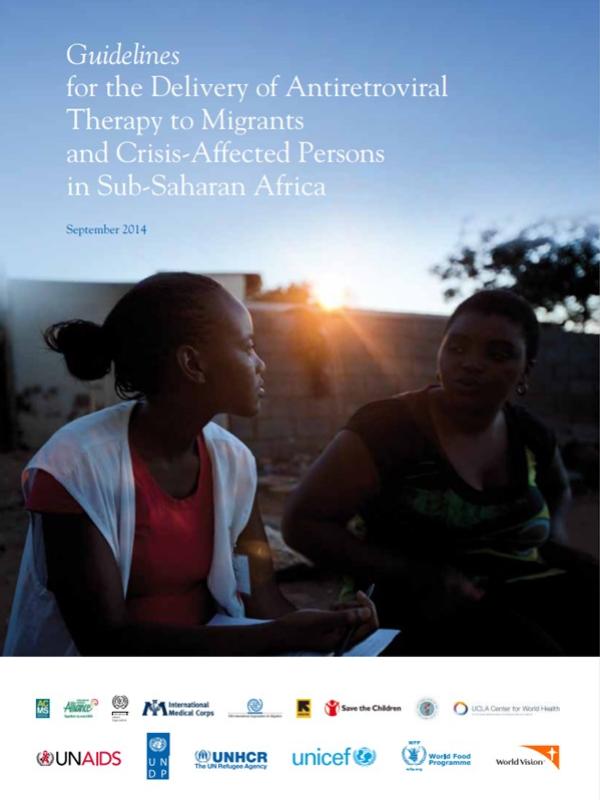
This guidance is an update of the 2007 Clinical Guidelines for antiretroviral therapy management for displaced populations for Southern Africa. It provides clinical guidance to healthcare practitioners on ART provision to migrants and crisis-affected individuals. It offers guidance to ART program managers on addressing patient mobility and prioritization during crises and guidance to policymakers and civil society advocates to facilitate the development of high-quality HIV care for migrants and crisis-affected individuals.
Continue reading